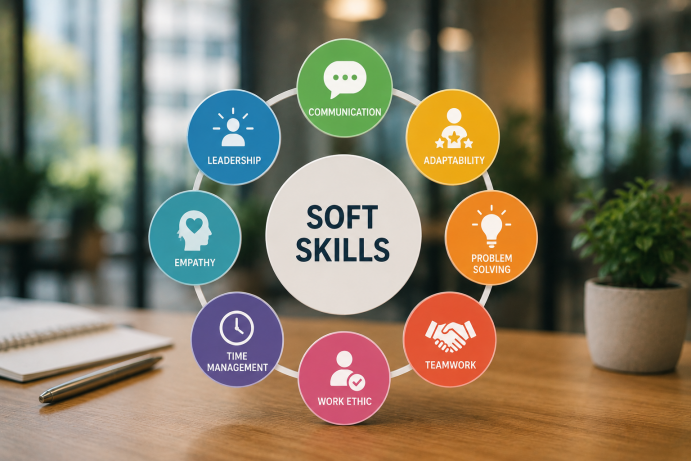
The word ‘soft’ has done real damage to how skills get treated in hiring. It suggests something optional, a nice-to-have layered on top of the technical qualifications that actually get someone through the door. The data from Australia’s own hiring managers tells a very different story. Learn how CTO’s Professional Development Training can play a crucial role in developing these skills and getting hired.
What the data actually shows
The Hays 2025 Skills Report, based on more than 5,600 responses from hiring managers and professionals across Australia and New Zealand, found 84% of Australian hiring managers rank human skills like communication and teamwork as critical. CTO recognises the power of soft skills and has spent over 30 years building exactly these capabilities across Australian workplaces. See what’s actually driving this shift below.
- 84% of hiring managers rank communication and teamwork as critical to the future of work, ahead of critical thinking and problem-solving (81%) and adaptability (71%).
- Generative AI skills came in at just 30%, the lowest priority on the list.
- CSIRO research analysing 12 million Australian job ads backs this up from a different angle: demand for interpersonal skills has surged since the pandemic, and remote job postings are 1.2 times more likely to mention interpersonal skills than face-to-face roles.
- Deloitte Access Economics goes further, projecting that soft-skill-intensive occupations will make up two-thirds of all Australian jobs by 2030, growing 2.5 times faster than other roles.
- SEEK’s 2026 workplace trends research echoes the same shift from the employer side, noting that the combination of technical skills and power skills, like interpersonal ability, teamwork and emotional intelligence, is now what separates candidates in a market being reshaped by AI.
Why is the word ‘soft’ doing these life skills a disservice?
Here’s where the Hays data gets genuinely interesting. There’s a real mismatch between what hiring managers say they want and what candidates think they’re being judged on. Professionals in the same survey ranked new IT and tech skills (58%), leadership skills (43%) and technical skills (40%) as their own top priorities, well below where hiring managers actually place their focus.
The gap matters. Candidates are often polishing the wrong side of their pitch, and businesses hiring for ‘soft’ skills without naming them clearly in job ads or interview criteria end up selecting for them inconsistently, if at all.
Not sure if your hiring process is actually screening for the skills that matter most?
Where does this show up in actual hiring decisions?
Interpersonal skills are the communication, listening, teamwork, empathy and relationship-management abilities people use to work effectively with others. In practice, interpersonal skills tend to become the deciding factor once two candidates clear the technical bar. Interview panels consistently report that the person who listens well, responds to pressure calmly, and communicates clearly under scrutiny gets the offer over someone with a marginally stronger resume but a flatter interview presence.
The value of these skills becomes clearer when you see what happens in practice. Brooke from HumEnergy on the Gold Coast described CTO’s Customer Service Excellence Training as an engaging, insightful and practical one. She particularly admits that these are the tools she could put into practice immediately. Amy from PowerTec, also on the Gold Coast, finds our Change Management Training extremely practical to understand and tackle how people react differently to a change while working collaboratively in a team.
Although these are small testimonials, they certainly represent the examples of what effective soft-skills training can deliver – not abstract theory, but practical tools that change how people communicate, respond to customers and work with others. And the same matters, when employers are increasingly struggling to find candidates who already arrive with these interpersonal capabilities, exactly as Hays’ data suggests.
You can read more feedback like this on the client testimonials page.
What does this mean for candidates and employers?
Hiring for interpersonal skills only solves half the problem. The other half is building them across a workforce that’s already in place, since most teams are a mix of naturally strong communicators and people who’ve simply never been trained on it.
This is where Professional Development programs by CTO come in. Customer Service training builds the listening, de-escalation and rapport-building skills that show up directly in customer ratings, while Leadership & Management courses like Effective Communication, listed under CTO’s Leadership & Management training range, build the same capability upward through people-management roles. If poor communication is already showing up as friction rather than just an interview gap, our piece on conflict in the workplace covers what that costs when it’s left untrained.
What are the most sought-after interpersonal skills training courses at CTO?
| Course | Typically Sought By |
| Customer Service Excellence | Front-line and call-centre teams handling customer interactions daily |
| Effective Communication | Managers and staff at every level, especially newly promoted leaders |
| Handling Difficult People and Situations | Customer-facing teams and support staff managing escalations |
| Team Building | Departments dealing with siloed communication or low morale |
| Coaching for Development | People leaders building feedback and mentoring capability |
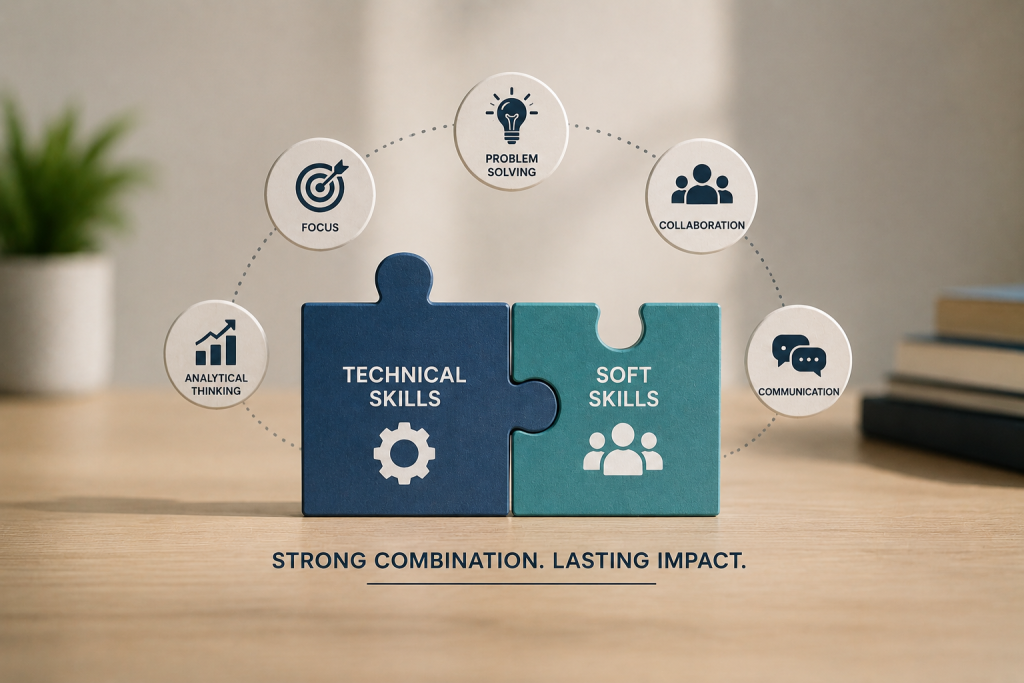
The takeaway message: It’s all about building skills that actually decide who gets hired
Interpersonal skills aren’t a soft add-on to a resume. They’re consistently what Australian hiring managers say separates candidates once the technical requirements are met, and they’re just as trainable across an existing team as they are screenable at the interview.
CTO’s Corporate Training programs in Australia build exactly this capability, from front-line customer service through to leadership-level communication, delivered onsite or online.
Ready to equip your team with interpersonal skills to rely on? Tell us about your team, and we would be happy to recommend the right program.
Frequently Asked Questions
Why do Australian employers prioritise soft skills over technical qualifications?
Technical skills can often be trained on the job relatively quickly, while communication, adaptability and teamwork are harder and slower to build from scratch. The Hays 2025 Skills Report found human skills ranked well above technical ability in what hiring managers consider critical for the future of work.
What exactly counts as an interpersonal skill in a hiring context?
Interpersonal skills cover communication, active listening, conflict resolution, empathy and the ability to collaborate well under pressure. Employers generally aren’t assessing personality alone; they’re looking for consistent, demonstrable behaviours that show up in how someone handles real workplace situations.
Can interpersonal skills actually be taught, or are people just born with them?
Yes, they can be taught, and structured training is often more effective than experience alone. Role-play-based courses that put people through realistic scenarios, rather than theory-only sessions, tend to produce the most measurable improvement in how confidently someone communicates on the job.
Are interpersonal skills more important than technical skills for every role?
Not universally, but they matter more broadly than most candidates expect, even in technical roles. Deloitte Access Economics projects soft-skill-intensive occupations will make up two-thirds of Australian jobs by 2030, suggesting the skew toward human skills is broadening across industries, not narrowing to customer-facing roles only.
How can a business train interpersonal skills across an existing team, not just at the hiring stage?
Structured, scenario-based training works best, covering real workplace situations like handling difficult conversations, giving feedback or managing escalations. CTO’s Customer Service and Leadership & Management programs are built around this approach, tailored to the specific interactions your team handles day-to-day.